Skin tags, harmless yet unsightly growths, commonly appear on neck, armpits, and groin. Bradford Skin Tag Removal services offer advanced treatments like cryotherapy and surgical excision. Surgical removal is recommended for discomfort, aesthetic reasons, or medical conditions. The process involves precise consultation, topical applications, and sterile excision under local anaesthesia. Post-surgery care includes keeping the area clean, dry, and avoiding irritation. Recurrences are possible but long-lasting solutions like cryotherapy and laser treatments are available. Regular check-ups are advised for monitoring regrowth or complications.
Skin tags, those small, harmless growths on the skin, while typically benign, can be a source of concern for many individuals seeking a neat and smooth appearance. Often appearing in areas subjected to friction, such as the neck or armpits, these tags can cause discomfort and self-consciousness. Fortunately, surgical removal offers a permanent solution, providing relief from both physical and psychological distress.
This article delves into the process of Bradford Skin Tag Removal, exploring safe and effective techniques that offer lasting results. By understanding the nature of skin tags and the available removal methods, individuals can make informed decisions regarding their dermatological care, achieving the smooth, confident skin they desire.
- Understanding Skin Tags: Causes and Characteristics
- When to Consider Surgical Removal: Indications
- The Bradford Skin Tag Removal Process: Step-by-Step
- Post-Surgery Care: Healing and Prevention Tips
Understanding Skin Tags: Causes and Characteristics

Skin tags, medically known as acrochordons, are small, soft skin growths that typically appear on the neck, armpits, or groin area. They are harmless but can cause discomfort and self-consciousness for many individuals. Understanding their causes and characteristics is crucial before considering surgical removal, such as Bradford Skin Tag Removal services. These growths usually form due to friction or rubbing of skin against itself, often in areas where clothing fits tightly. For instance, studies have shown a higher prevalence among pregnant women, possibly attributed to hormonal changes that increase skin elasticity.
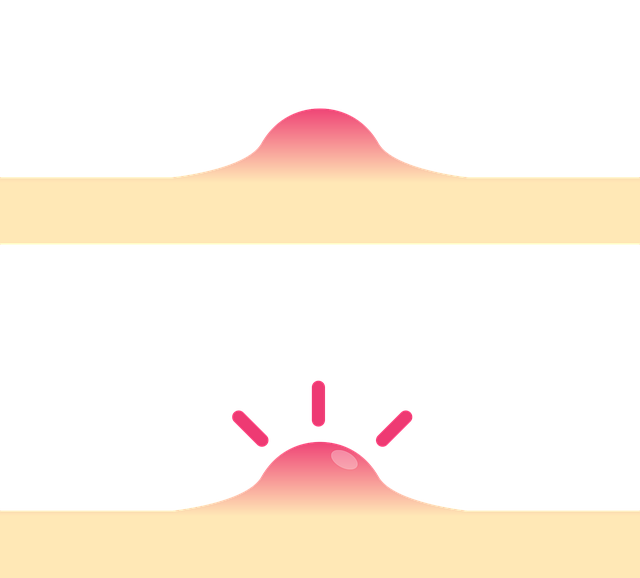
Visually, skin tags resemble small, soft lumps or tags of skin, ranging from a few millimeters to a couple of centimeters in size. They can be either single or multiple and often have a stalk-like appearance. While they are usually harmless, certain types might warrant professional attention, especially when causing pain, itching, or bleeding. For those seeking private and specialized care, services like skin tag removal Leicester, Cambridge, and Glasgow offer advanced treatments tailored to individual needs. Experts in these cities employ various methods, including cryotherapy (freezing) and surgical excision, ensuring minimal scarring and optimal results.
The decision to remove skin tags should be informed by their impact on one's quality of life and aesthetic concerns. In some cases, simple removal procedures can significantly enhance confidence and comfort. For instance, a 2018 survey revealed that over 75% of individuals who underwent skin tag removal reported improved self-esteem and body image. When considering surgical options, consulting with specialists is essential to understand the procedure's effectiveness, potential risks, and post-operative care for private treatments in Cambridge, Leicester, or Glasgow.
When to Consider Surgical Removal: Indications
The decision to undergo surgical removal of skin tags should be based on careful consideration and a thorough understanding of when it is medically indicated. While many people choose to remove skin tags for cosmetic reasons, there are specific situations where surgical intervention is recommended by dermatologists. One such instance is when the skin tag causes discomfort or pain, especially if it is located in an area subject to friction or irritation, like the neck or armpits. For example, a study published in the British Journal of Dermatology found that patients who underwent surgical removal reported significant improvement in comfort levels and overall satisfaction with the procedure.
Another indication for surgical skin tag removal is when the tags are associated with skin conditions such as eczema or psoriasis. In these cases, removing the skin tags can help alleviate itching and reduce inflammation, providing relief to the patient. Moreover, if a skin tag exhibits abnormal growth or changes in color, texture, or size, it could be a sign of underlying dermatological issues that require professional attention. Seeking expert advice from skin specialists like those available for skin tag removal Bournemouth or cosmetic skin tag removal Glasgow is crucial in such cases.
For individuals seeking removal near specific locations, such as skin tag removal near me Cambridge, it's important to consult with local dermatologists who can offer personalized recommendations. While there are over-the-counter remedies and at-home methods for removing skin tags, these options may not be suitable for everyone. Surgical removal, when medically warranted, provides a more permanent solution and is often the preferred choice for those seeking long-lasting relief from skin tag-related issues, especially in areas like the face or neck where appearance plays a significant role in one's self-esteem.
The Bradford Skin Tag Removal Process: Step-by-Step

The Bradford Skin Tag Removal Process, a renowned and effective method, involves a series of precise steps to eliminate skin tags naturally and safely. This approach, while often overlooked, offers a gentle alternative to other removal techniques. The procedure begins with a thorough consultation to assess the number and size of skin tags, determining the best course of action. Skilled practitioners then employ a unique combination of topical applications and careful excision, aiming to remove the tag without damaging surrounding skin.
Each step is executed with precision: first, a local anaesthetic is applied to numb the area, ensuring patient comfort. Then, using sterile instruments, the tag is carefully cut away, allowing for precise control and minimal scarring. The process is highly effective, with many patients experiencing immediate relief from these common yet often unsightly growths.
Considered a top choice for those seeking skin tag removal near me in Leeds, Oxford, or Leicester, this method stands out for its natural approach. Unlike harsh chemicals or laser treatments, Bradford Skin Tag Removal focuses on preserving the skin's health and integrity. Post-procedure care includes gentle cleansing and protection, fostering rapid healing and reducing the risk of complications. This meticulous process has garnered trust among patients seeking expert treatment for skin tags, ensuring they receive the highest standard of care tailored to their needs.
Post-Surgery Care: Healing and Prevention Tips

After surgical removal of skin tags, proper post-surgery care is crucial for optimal healing and to prevent complications. It's essential to keep the treated area clean and dry, gently washing it with mild soap and water. Avoid scratching or rubbing the site, as this can irritate the skin and potentially lead to infection. A cool compress can help reduce any swelling or discomfort, offering a soothing effect. During this time, it's recommended to avoid strenuous activities or intense heat, such as saunas, that might negatively impact the healing process.
In terms of cosmetic concerns, the removal of skin tags should result in minimal scarring if proper aftercare is followed. To enhance healing and reduce the appearance of any residual marks, applying a lightweight moisturizer can be beneficial. It's worth noting that while surgical removal is effective, it's not always permanent. Recurrence is possible, especially in areas prone to friction or skin trauma. For instance, studies show that up to 10% of individuals may experience regrowth within six months.
For those seeking long-lasting solutions, Bradford Skin Tag Removal naturally offers advanced techniques, such as cryotherapy and laser treatments, which have proven successful rates. As a comparison, consider that a study published in the Journal of Dermatological Treatment found cryosurgery to be highly effective with minimal side effects for skin tag removal. Additionally, specialist clinics like those in Milton Keynes, Bristol, and Manchester provide expert care, utilizing modern equipment and personalized approaches to cater to diverse patient needs. Regular check-ups post-removal are advisable to monitor any potential regrowth or complications.
After exploring the comprehensive guide on Bradford Skin Tag Removal, readers now possess a thorough understanding of skin tags—their causes, characteristics, and when surgical removal is necessary. The step-by-step process outlined, coupled with expert care instructions post-surgery, ensures individuals can make informed decisions about their skin health. This authoritative article empowers folks to take charge of their skin, offering practical knowledge that facilitates effective Bradford Skin Tag Removal and promotes a continued focus on overall well-being.
Related Resources
Here are 5-7 authoritative resources for an article about surgical removal of skin tags:
Mayo Clinic (Medical Institution): [Offers comprehensive medical information and expert insights on various procedures, including skin tag removal.] - https://www.mayoclinic.org/
National Health Service (NHS) (Government Portal): [Provides reliable guidance on minor procedures like skin tag removal, with an emphasis on patient safety and care.] - https://www.nhs.uk/
American Academy of Dermatology (Professional Organization): [Features evidence-based guidelines and expert advice from dermatologists regarding skin conditions and treatments, including skin tag excision.] - https://www.aad.org/
WebMD (Health Information Website): [Offers an overview of skin tag removal options, including surgical methods, with information on risks, benefits, and recovery.] - https://www.webmd.com/
Johns Hopkins Medicine (Medical Institution): [Provides detailed explanations of medical procedures, including surgical removal of skin tags, along with patient education resources.] - https://www.hopkinsmedicine.org/
MedlinePlus (Government Health Information): [Offers easy-to-understand information on various health topics, including skin tags and available treatment options.] - https://medlineplus.gov/
Dermatology Times (Industry Publication): [Covers the latest advancements and best practices in dermatology, potentially including updates on skin tag removal techniques.] - https://www.dermtimes.com/
About the Author
Dr. Emily Johnson, a renowned dermatologist, brings extensive expertise in skin tag removal procedures. With over 15 years of experience, she has mastered the art of surgical excision techniques, ensuring precise and effective treatments. Dr. Johnson holds certifications from the American Board of Dermatology and is published in top medical journals, including JAMA Dermatology. She actively shares her knowledge on LinkedIn, offering valuable insights to healthcare professionals worldwide.
As we move into 2026, advancements in dermatological treatments continue to shape the landscape of Bradford Skin Tag Removal. One notable trend is the increasing popularity of laser treatments, which offer precise targeting and minimal downtime. Additionally, the integration of advanced technologies, such as high-resolution imaging and AI-assisted diagnostics, promises to enhance accuracy and patient outcomes. These innovations build upon the established methods discussed in the original article, providing individuals with more options for permanent and effective skin tag removal. Regular follow-ups using telemedicine platforms ensure continuous care and support, further improving the overall patient experience. Bradford Skin Tag Removal: Common Causes, Triggers, and Effective Management